
Turkey Brine Recipe: Wet or Dry, and How Long to Brine
Why brine a turkey at all
Turkey breast is very lean and dries out long before the thighs are cooked through. Salt changes that. Given enough time, it seasons the meat all the way through and helps it hold on to more of its own juice in the oven, so the breast stays moist even if it runs a few degrees over.
You can do it two ways. A wet brine soaks the whole bird in salted water. A dry brine is salt rubbed directly onto the skin and meat, left to dissolve into the turkey's own juices and draw back in. Both work. The right one depends mostly on how much fridge space you have and whether crisp skin or the juiciest possible breast matters more to you.
One rule before anything else: check the label. Turkeys sold as kosher, self-basting, "enhanced" or "injected with a solution" have already been salted. Brining them again makes the meat too salty. Skip the brine for those and simply season the skin.
Wet or dry brine: which to choose
| Wet brine | Dry brine | |
|---|---|---|
| What it is | Turkey submerged in salted water | Salt rubbed onto the skin and under it |
| Time | 12 to 24 hours | 24 to 72 hours |
| Space needed | A large pot, bucket or cooler that stays below 4°C (40°F) | One tray on a fridge shelf |
| Skin | Softer; needs drying before roasting | Dries out in the fridge and roasts crisp |
| Meat | Slightly juicier, a little more watery | Juicy, more concentrated turkey flavour |
| Mess | High: litres of raw-poultry brine to handle | Low |
| Best for | Roasting or smoking when you have a cooler and ice | Most home kitchens, and anyone short on space |
If you have never brined before, the dry brine is the easier, safer starting point. If you are smoking the turkey or love the most succulent breast meat, try the wet brine.
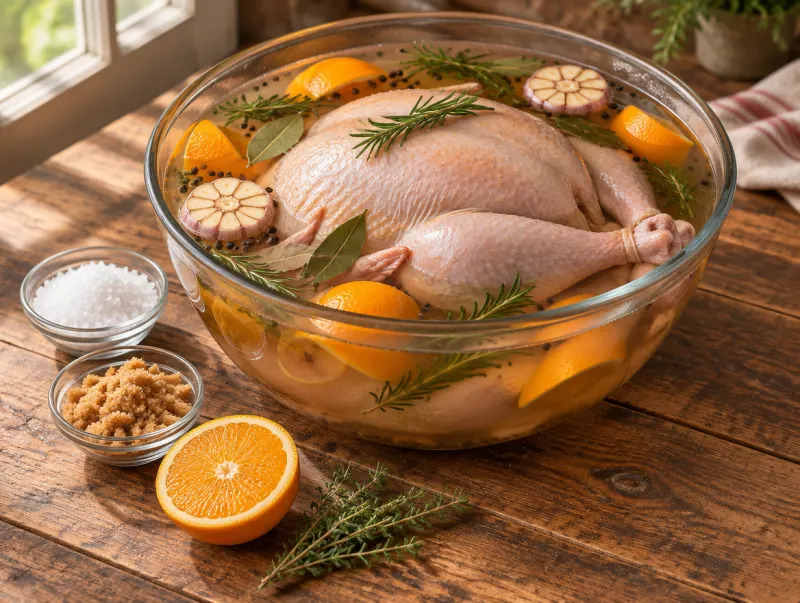
Simple wet turkey brine recipe
This makes about 8 litres, enough for a turkey of 5.5 to 7 kg (12 to 15 lb) in a brining bag or a large food-safe container. For a bigger bird, scale everything up in the same proportion.
Ingredients
- 8 litres cold water (about 2 US gallons), divided
- 280 g kosher salt or coarse sea salt (about 35 g per litre)
- 100 g light brown sugar
- 2 oranges, quartered
- 1 head garlic, halved across
- 4 bay leaves
- 1 tbsp black peppercorns
- A few sprigs of rosemary and thyme
Weigh the salt. Kosher salt brands differ a lot by volume: a cup of Diamond Crystal holds far less salt than a cup of Morton, which is why recipes online disagree so much. Grams are the same whatever brand you buy. If you must measure by volume, use about 2 cups of Diamond Crystal or about 1 and a half cups of Morton kosher salt for this amount of water.
Method
- Bring 2 litres of the water to a simmer with the salt, sugar, oranges, garlic, bay leaves, peppercorns and herbs. Stir until the salt and sugar have completely dissolved, then take it off the heat.
- Add the remaining 6 litres as cold water, or replace part of it with ice to cool it faster. The brine must be fully cold, below 4°C (40°F), before the turkey goes in. Never put raw poultry into warm brine.
- Remove the neck and giblets from the turkey. Put the bird in a brining bag set inside a pot or cooler, pour over the cold brine and seal so the turkey is completely submerged.
- Keep it in the fridge, or in a cooler packed with ice that you top up so the water stays below 4°C, for 12 to 24 hours. Do not go much longer: the meat starts to turn spongy and too salty.
- Lift the turkey out and throw the brine away. Pat it very dry inside and out with paper towels. With this ratio it does not need rinsing.
- For crisp skin, set the turkey on a rack over a tray and leave it uncovered in the fridge for a few hours or overnight before roasting.
Dry brine turkey: the easier method
A dry brine needs only salt, plus any dried herbs or pepper you like. Use about ¾ teaspoon of Diamond Crystal kosher salt, or ½ teaspoon of Morton kosher salt, for every 450 g (1 lb) of turkey. For a 6 kg bird that is roughly 3 tablespoons of Diamond Crystal.
- Pat the turkey dry. Gently loosen the skin over the breast and thighs with your fingers.
- Rub about a third of the salt under the skin directly onto the meat, and the rest over the outside and inside the cavity. Add black pepper, dried thyme or grated orange zest if you like.
- Set the turkey on a rack over a tray and refrigerate for 1 to 3 days. Cover it loosely for the first day, then leave it uncovered so the skin dries out.
- Do not rinse. Roast straight from the fridge, brushing the skin with a little oil or melted unsalted butter.
The surface looks wet for the first few hours and then dry again. That is the salt drawing out juice and then being pulled back into the meat, which is exactly what you want.
Roasting a brined turkey
Brined turkey is already seasoned, so do not add more salt to the skin, and use unsalted butter. The pan drippings will be saltier than usual: taste the gravy before you season it, and thin it with unsalted stock if it is too strong.
Brined birds also tend to brown faster because of the sugar. If the skin is dark before the meat is cooked, tent the breast loosely with foil. Cook by temperature, not by time: the turkey is safe when the thickest part of the thigh, away from the bone, reaches 74°C (165°F). Rest it for 30 to 45 minutes before carving. That rest is when the oven is free for the sides.
What to serve with your turkey
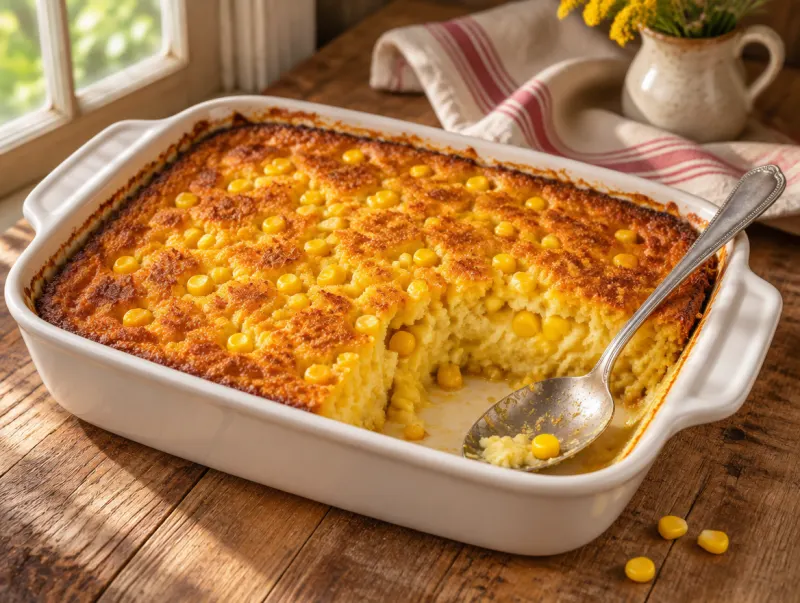
A juicy turkey needs a table of sides that can be made ahead and reheated while it rests. A soft, spoonable corn casserole is mixed in one bowl and bakes in under an hour.
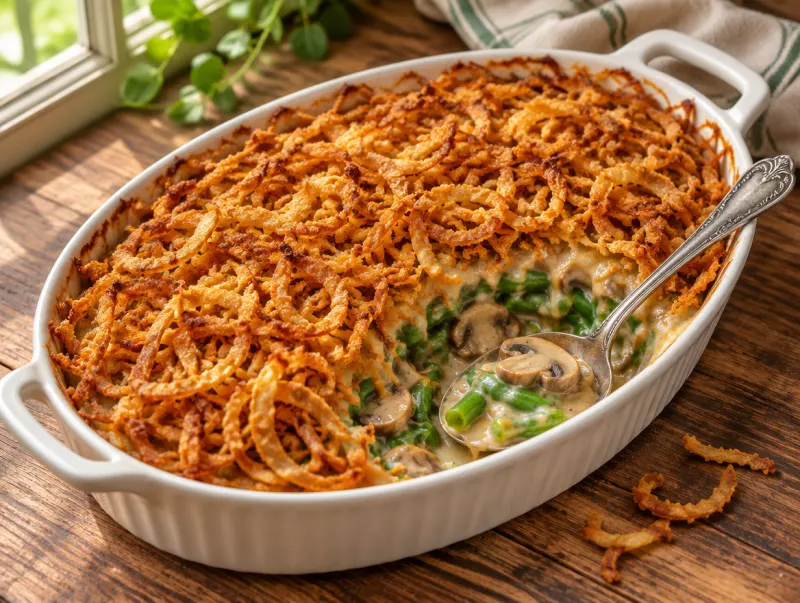
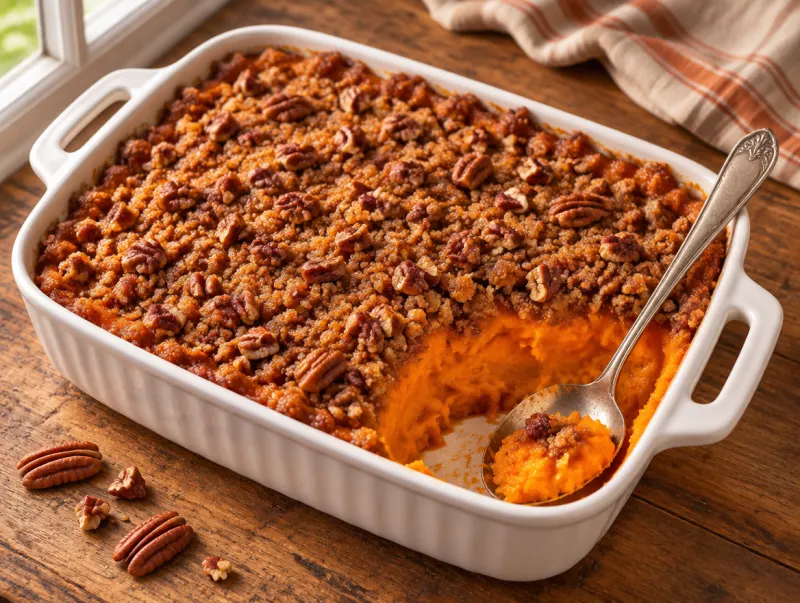
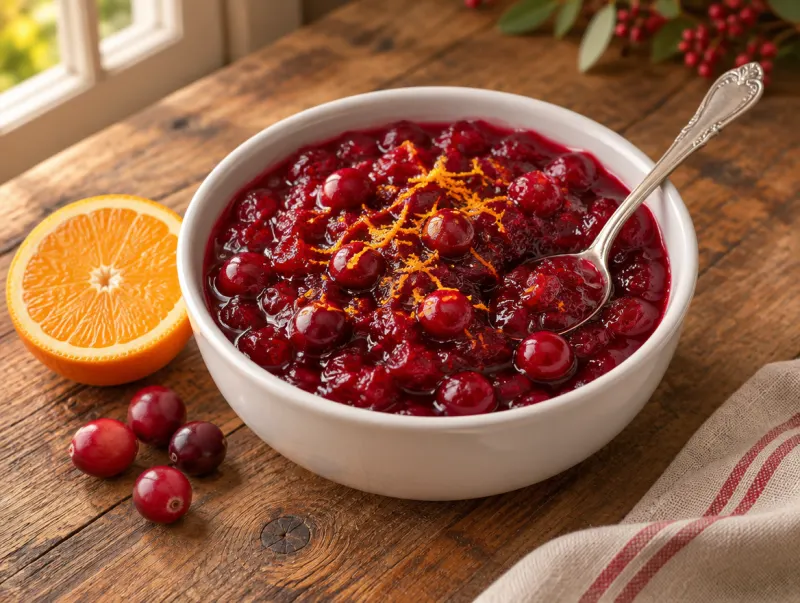
Add a green bean casserole from scratch with homemade mushroom sauce and crispy onions, and a pecan-topped sweet potato casserole for something sweet. The sharp, fruity cranberry sauce can be made up to a week ahead and cuts through the richness of the meat and gravy.
If you want to bring dishes from other countries to the table, our guide to Thanksgiving side dishes from around the world pairs global classics with roast turkey. For the full classic spread and a day-by-day plan, see our traditional Thanksgiving dinner menu.
FAQ
How long should you brine a turkey?
In a wet brine, 12 to 24 hours for a whole turkey is enough. A dry brine works more slowly and needs 24 to 72 hours. A turkey breast on its own needs about half the time of a whole bird.
How much salt do you put in a turkey brine?
For a wet brine, about 35 g of salt per litre of water, or about 1 cup of Diamond Crystal kosher salt per US gallon. For a dry brine, about ¾ teaspoon of Diamond Crystal or ½ teaspoon of Morton kosher salt per 450 g (1 lb) of turkey.
Do you rinse a turkey after brining?
A dry-brined turkey should not be rinsed. With a balanced wet brine like this one, patting the bird very dry is enough. Rinsing raw poultry splashes bacteria around the sink, and a wet skin will not crisp.
Can you brine a frozen turkey?
Thaw it completely in the fridge first. Salt cannot get into frozen meat, and the turkey must be fully thawed to brine evenly and cook safely. A large bird can take several days to thaw in the fridge, so plan backwards from the day you roast.
Is wet or dry brine better for turkey?
Both make a moister bird than no brine at all. Wet brining gives slightly juicier meat but softer skin and needs a lot of cold space. Dry brining is simpler, takes one tray in the fridge and gives crisper skin, so it suits most home kitchens.
 United States