

What Is Tahini? What It Is Made Of and How to Use It
What tahini is made of
Tahini has one ingredient: sesame seeds. The seeds are soaked, hulled, lightly roasted and ground until the oil they hold turns them into a thick, runny paste. Good tahini has no added oil, salt or sugar; the label should simply say sesame.
The name comes from the Arabic word for grinding, and you will see it spelled tahini, tahina or tehina depending on the country. In Greece and Cyprus it is tahini too, and in Turkey it is tahin. Whatever the spelling, it is the same paste.
Tahini is not the same as Chinese or Japanese sesame paste. Those are made from deeply toasted, often unhulled seeds and are darker, thicker and much stronger. They are good in noodle sauces, but they will overpower a hummus.
What does tahini taste like?
Straight from the jar, tahini tastes like a very mild, savoury nut butter: toasty, creamy and a little bitter at the end. It is not sweet. On its own most people find it a bit flat, which is why it is almost always mixed with lemon, garlic and salt, or with something sweet like honey, date syrup or sugar.
The bitterness is the thing to watch. A fresh, good-quality jar is only faintly bitter. An old jar, or one made from darker roasted or unhulled seeds, can taste harsh, and that harshness carries straight into whatever you make. Taste a little before you start.
Types of tahini
| Type | Made from | Taste and texture | Best for |
|---|---|---|---|
| Hulled, light roast | Seeds with the husk removed, lightly roasted | Pale, smooth, mild; the classic Levantine style | Hummus, tahini sauce, dressings, desserts |
| Unhulled (whole seed) | Seeds with the husk left on | Darker, thicker, noticeably more bitter | Robust sauces, people who like a stronger sesame taste |
| Raw | Hulled seeds, not roasted | Very pale and mild, less nutty | Sweets, smoothies, cooks who want a soft flavour |
| Black tahini | Black sesame seeds | Grey-black, earthy and intense | Desserts, ice cream, striking drizzles |
For almost every recipe on this site, a pale, runny, hulled tahini is the one you want. If the jar you have is stiff and dark, use a little less of it and taste as you go.
What tahini is used for
Tahini is a working ingredient, not a garnish. In Lebanon, Syria, Palestine, Jordan, Israel and Egypt it turns up at almost every meal.
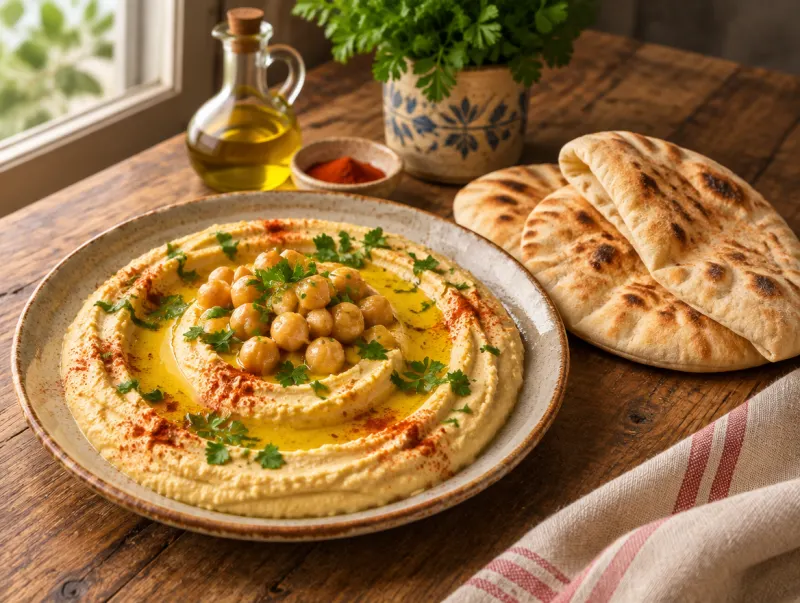
Hummus. The full name of the dip, hummus bi tahini, means "chickpeas with tahini", and tahini is what gives it that rich, rounded taste. Our recipe uses a generous 150 g of tahini to 250 g of dried chickpeas, which is the Lebanese style: creamy and nutty rather than beany.
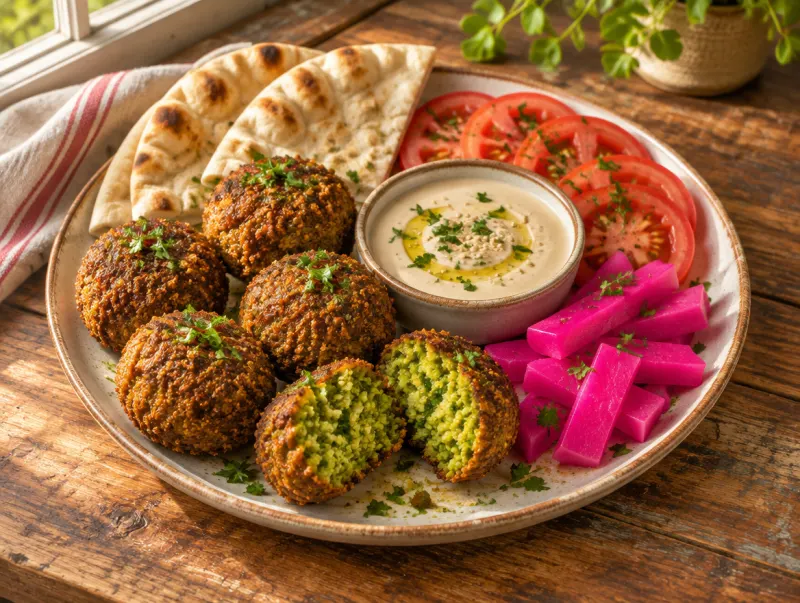
Tahini sauce (tarator). Tahini whisked with lemon juice, a little garlic, salt and cold water until it is pale and pourable. It is the sauce in a falafel sandwich and is spooned over grilled meat, roasted vegetables and fish. You will find our version with exact amounts in the falafel recipe.
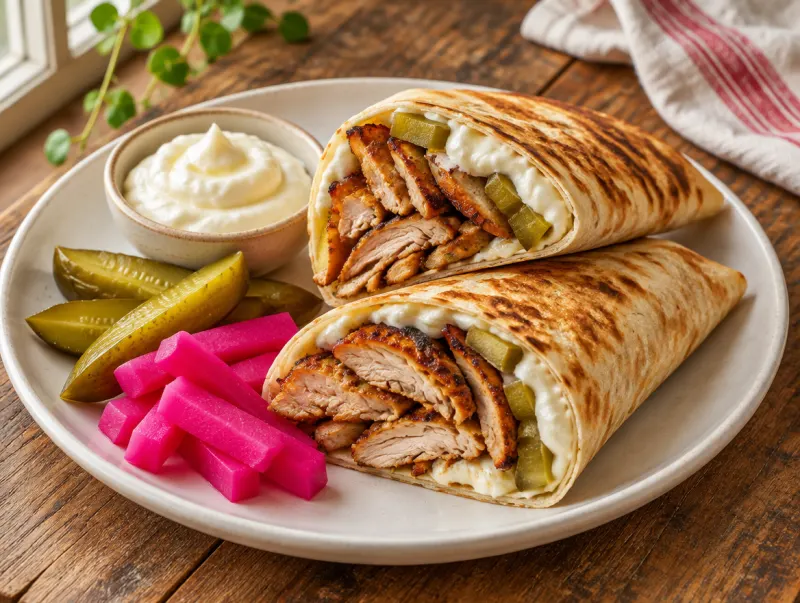
Shawarma and grills. In the Levant, beef and lamb shawarma usually come with tahini sauce, while chicken shawarma tends to get toum, a whipped garlic sauce. Many shops offer both, and our chicken shawarma works well with either.
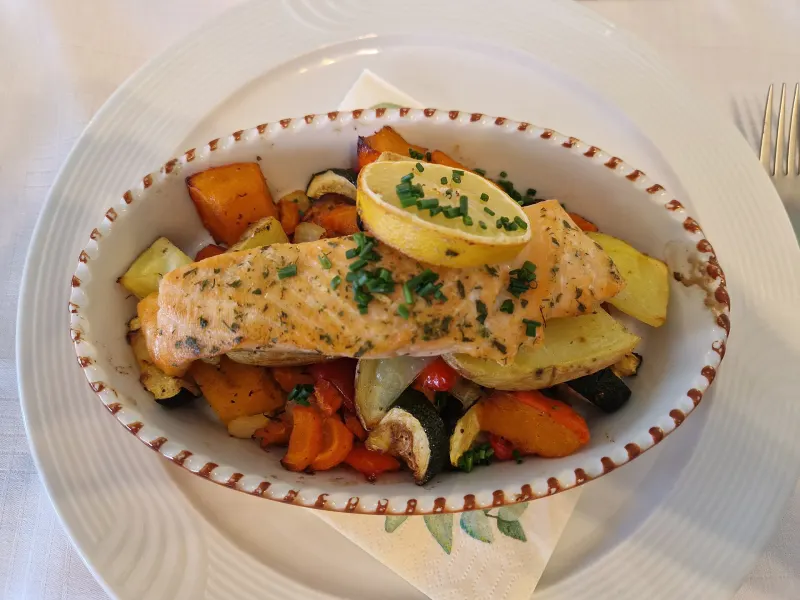
Fish. Baking or grilling fish and finishing it with tahini sauce is a classic of the Levantine coast. It works beautifully on our baked salmon: whisk 3 tbsp tahini with lemon, garlic and water and spoon it over just before serving.
Dips and salads. Baba ganoush is smoky roasted aubergine mashed with tahini and lemon. A spoon of tahini sauce over a chickpea salad or roasted cauliflower turns it into a meal. If you have a bag of chickpeas in the cupboard, our guide to what you can make with chickpeas has more ideas, and the chickpeas ingredient page lists every recipe that uses them.
Sweets. Halva is made from tahini and sugar syrup. In many homes, tahini drizzled with date syrup or grape molasses and scooped up with bread is a simple breakfast or dessert, and tahini is stirred into cookies and brownies for a nutty, less sweet result.
How to make tahini sauce
This is the one tahini technique worth learning, because it looks like it has gone wrong halfway through.
- Put about 100 g tahini in a bowl with the juice of a lemon (about 60 ml), a small crushed garlic clove and a pinch of salt.
- Stir. The mixture will seize and turn thick, grainy and paler. This is normal: the lemon makes the paste tighten.
- Add cold water a spoonful at a time, whisking after each addition. It will loosen and become smooth and creamy.
- Stop when it is the thickness you want: thick like yoghurt for a dip, pourable like double cream for a drizzle. Taste and adjust the lemon and salt.
The same ratio, a little less water, makes a good salad dressing. Add chopped parsley and you have the herby version served with fish in Lebanon.
How to store tahini and fix separated tahini
Oil rising to the top of the jar is normal. Sesame oil is lighter than the ground seeds, so it separates on the shelf. Stir it back in thoroughly before using, scraping the thick layer from the bottom; a fork or a chopstick works better than a spoon. Some cooks turn the closed jar upside down for a day before opening it to make this easier.
Keep the jar tightly closed in a cool, dark cupboard. In a warm kitchen, or if you use it slowly, the fridge keeps it tasting fresh for longer; it will thicken in the cold, so let it sit out for a few minutes before stirring. If it smells stale, sharp or paint-like, or tastes more bitter than it used to, the oil has gone rancid and it is time for a new jar.
Tahini substitutes
If you have run out, these get you close, but none is identical:
- Sesame paste from an Asian shop. Stronger and darker. Use about two thirds of the amount.
- Homemade tahini. Toast hulled sesame seeds lightly in a dry pan until barely golden, cool, then blend in a strong blender with a spoonful of neutral oil until runny. It takes several minutes and is rarely as silky as a good jar.
- Smooth unsalted cashew or sunflower seed butter. Milder, sweeter and less bitter. Fine in a sauce or dressing; noticeably different in hummus.
- Greek yoghurt. Not the same taste at all, but it makes a creamy sauce for falafel or shawarma if you just need something cool and tangy.
FAQ
Is tahini the same as sesame paste?
In a general sense yes, both are ground sesame, but they are not interchangeable one for one. Middle Eastern tahini uses hulled, lightly roasted seeds and is pale and mild. East Asian sesame paste uses darker roasted, often unhulled seeds and is much stronger.
What is tahini sauce made of?
Tahini sauce is tahini whisked with lemon juice, garlic, salt and cold water. Some versions add parsley, cumin or a little yoghurt. It thickens when the lemon goes in, then turns smooth and pourable as the water is added.
Why is my tahini bitter?
Either the jar is old and the oil has started to go rancid, the seeds were roasted dark or left unhulled, or the brand is simply a harsher one. Lemon, salt and a little sweetness balance mild bitterness, but they cannot rescue a rancid jar.
Does tahini need to be refrigerated after opening?
It does not have to be, as long as it is sealed and kept somewhere cool and dark. The fridge slows the oil from going stale, which helps if you use a jar slowly or your kitchen is warm. Chilled tahini is stiffer, so let it soften before stirring.
Can you make hummus without tahini?
You can blend chickpeas with lemon, garlic, olive oil and water and get a pleasant dip, but it will not taste like hummus. Tahini gives hummus its richness and its nutty, slightly bitter depth, which is why the dish is called hummus bi tahini.
 Lebanon
 Saudi Arabia