

AI Cooking Assistant: Apps, Machines and What They Really Do
What people mean by an AI cooking assistant
The phrase covers three quite different things, and most confusion comes from mixing them up.
- Chat assistants. A general chatbot or a cooking app with a chat box. You type or speak a question ("what can I swap for buttermilk?") and it answers in plain language. Most of these run on large language models, which learned from huge amounts of written text, including recipes and food writing.
- Recipe apps with AI features. A normal recipe app or website that adds an assistant on top: it can scale a recipe, suggest swaps, or answer questions about a specific recipe you are looking at.
- Cooking machines and smart appliances. Countertop machines that heat, stir and time a dish on their own, plus ovens, air fryers and grills with connected apps. Many searches for an "AI cooking assistant machine" or "device" mean this group. Some use AI for features like recognising food or suggesting programs; many simply run pre-written recipe programs.
Before buying or downloading anything, decide which of these you actually need. If you want help thinking through dinner, a chat assistant is enough. If you want something that stirs a pot while you are out of the kitchen, that is an appliance question, not an AI question; we look at what machines and chatbots can physically do in can AI cook?.
| Type | What it does well | Where it struggles | Good for |
|---|---|---|---|
| Chat assistant | Swaps, scaling, explaining a step, ideas from what you have | Can state wrong times, temperatures or "authentic" details with confidence | Everyday questions while you cook |
| Recipe app with AI | Answers tied to a specific, tested recipe | Only as good as the recipe library behind it | Following one recipe more easily |
| Cooking machine or smart appliance | Hands-off heating, stirring and timing | Works best with its own programs; less flexible | Repeatable weeknight dishes, soups, rice, sauces |
What an AI cooking assistant does well
The strongest use is the small, annoying question in the middle of cooking, when you do not want to scroll through a long article.
- Substitutions. "I have no buttermilk" is the classic. A good answer is milk with a spoon of lemon juice or vinegar, left for a few minutes, or thinned plain yogurt.
- Scaling. Halving a recipe for two or doubling it for guests, including converting cups to grams.
- Explaining a step. What "fold", "deglaze" or "until the oil separates" looks like, in different words from the recipe.
- Ideas from what you have. Listing a few dishes that fit the ingredients in your fridge. You can also do this without AI: our free what can I cook finder matches the ingredients you tick against real, tested recipes on this site. It is a simple ingredient match, not an AI, which means it only suggests dishes that actually exist here.
- Planning. Turning a list of dishes into a shopping list or a cooking order for a dinner party.
Where it gets things wrong
Language models write fluent answers, and fluency is not the same as accuracy. In cooking, the mistakes that matter are the ones that sound reasonable.
Food safety. An assistant may give a cooking time that sounds right but leaves meat underdone, or suggest storage times that are too generous. For meat, rely on temperature, not minutes: chicken is done at 75°C by the bone.
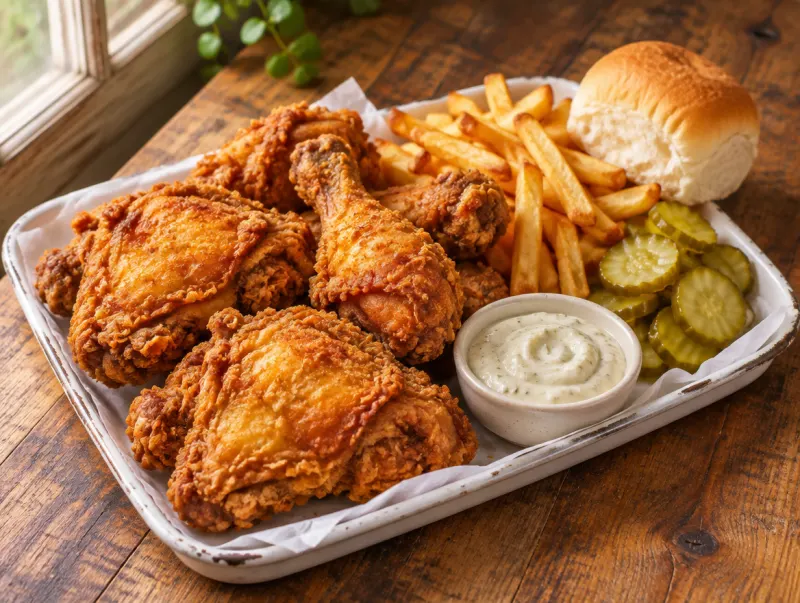
Dangerous shortcuts. Ask some assistants how to make restaurant-style broasted chicken at home and you may be told to fry it in a pressure cooker or Instant Pot. Do not. Commercial broasters are built to fry under pressure; household pressure cookers are not, and hot oil under pressure is a serious burn risk. The safe home method is an open, heavy pot of oil kept at a moderate temperature, which is how our recipe does it.
Baking. Baking depends on ratios. A suggested swap that works in a stew can ruin a cake, and invented quantities are hard to spot until the bake fails. For bread, pastry and desserts, follow a tested recipe and ask the assistant only for explanations.
Authenticity. Assistants tend to blend versions of a dish into one "average" recipe, and they sometimes invent history or local names. If you want a dish the way it is cooked in its home country, start from a recipe that names its sources and region. We wrote more about this in are ChatGPT recipes reliable.
How to use one well: a worked example
The best way to use a chat assistant is to give it a real recipe and ask it to help with that recipe, rather than asking it to invent one. The answers stay grounded, and you can check them against the page.
Say you are making chicken biryani and you have only 400 g of chicken instead of the amount in the recipe. Useful questions are:
- "Scale this recipe to 400 g of chicken and give me the new rice and water amounts."
- "I have no fresh mint. What can I use?"
- "What should the rice look like before I layer it?"
Then check the scaled numbers yourself before you start. Cooking times usually do not scale in a straight line, and the assistant may not mention that.
A few habits make any assistant more useful:
- Paste or link the recipe you are following, so the answers fit it.
- Ask for the cue, not just the time. "How will I know it is done?" gets you a colour, texture or temperature to look for.
- Ask it to say when it is unsure. Then treat anything it flags as something to check.
- Keep safety and baking for tested recipes. Use the assistant for help around the edges.
Should you buy a cooking machine?
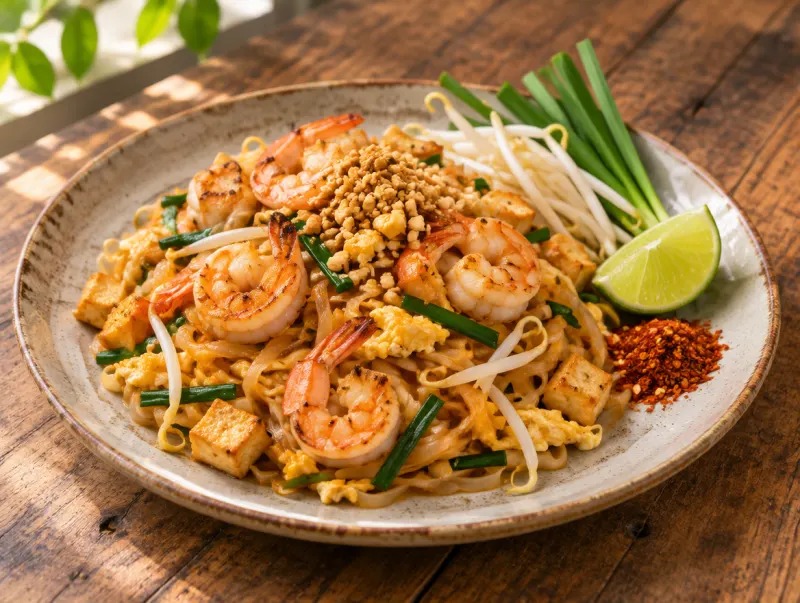
A countertop cooking machine is a kitchen appliance first. Whether it suits you depends on what you cook. Dishes that need steady stirring and simmering, such as risotto, soups, sauces, porridge and some curries, suit a machine well. Dishes that depend on high heat and a crisp crust, like pad thai tossed in a hot wok or a pan of shakshuka with runny yolks, are still easier on the hob.
Questions worth asking before you buy:
- Does it work without a subscription or an internet connection?
- Can you cook your own recipes on it, or only its programs?
- Is it easy to clean, and how much counter space does it need?
- Are spare parts and support available where you live?
Prices vary a lot by country and model, so compare them in your local shops rather than trusting a figure from an article or a chatbot.
The short version
Use an AI cooking assistant as a helpful sous chef, not as the head cook. Let it answer quick questions, scale recipes and suggest ideas, and keep the important decisions anchored to a recipe someone has actually cooked. If you want ideas without any guesswork, tick what you have in the what can I cook finder, or browse what to cook with chicken and other everyday ingredients.
FAQ
What is an AI cooking assistant?
It is a tool that helps you cook using AI: usually a chat app that answers questions, suggests recipes and explains steps, or a smart appliance that runs cooking programs. Some recipe apps also add an assistant that answers questions about a specific recipe.
Is there an AI cooking assistant machine that cooks for you?
There are countertop cooking machines that heat, stir and time dishes on their own, and smart ovens, air fryers and grills with connected apps. Many run pre-written programs rather than true AI. You still prepare and add the ingredients yourself.
Can I trust cooking times from an AI assistant?
Use them as a starting point only. Check meat with a thermometer (chicken is done at 75°C by the bone) and look for the visual cues in a tested recipe. Never follow advice to fry in a pressure cooker.
Is there a free way to find recipes from the ingredients I have?
Yes. Our what can I cook finder is free and matches the ingredients you tick against real recipes on Srbiny. It is a simple ingredient match, not an AI, so every suggestion is a tested recipe.
Is an AI cooking assistant good for baking?
It is useful for explaining techniques, but risky for quantities and swaps. Baking depends on exact ratios, so follow a tested recipe and use the assistant only to explain steps you are unsure about.
 Saudi Arabia

 India

 Tunisia
 Thailand