
What Is Margherita Pizza? Ingredients, Name and How It Differs
What is margherita pizza?
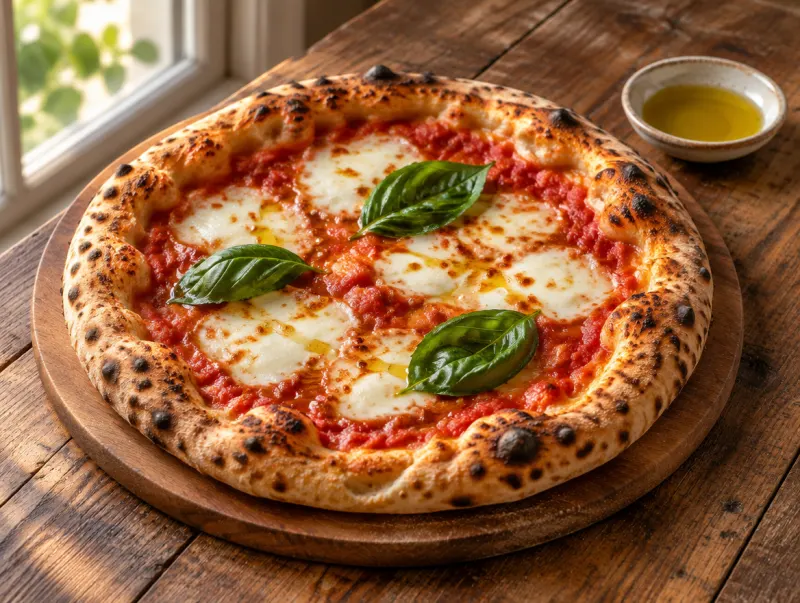
Pizza margherita is the simplest of the classic Neapolitan pizzas and the one most people picture when they think of Italian pizza. It has a thin centre that is soft enough to fold, a puffy, blistered rim called the cornicione, and just four toppings: tomato, mozzarella, basil and olive oil.
In Naples it is the everyday pizza, eaten at the table with a knife and fork or folded in half and eaten on the street. Because there is so little on it, it is also the pizza people use to judge a pizzeria. A weak dough, a watery cheese or a dull tomato has nowhere to hide.
Outside Italy, "margherita" on a menu can mean anything from a true Neapolitan pie to a plain tomato-and-cheese pizza with a basil leaf on top. The idea stays the same: a few good ingredients, nothing that covers them up.
What is margherita pizza made of?
A margherita has five parts, and each one matters.
| Part | What is used | Why it matters |
|---|---|---|
| Dough | Flour (Italian 00 or bread flour), water, salt, yeast | A slow rise gives a light, airy rim and a soft, stretchy base |
| Tomato | Canned or fresh plum tomatoes, crushed, with salt | Raw tomato cooks on the pizza and tastes bright and fresh |
| Cheese | Fresh mozzarella: fior di latte (cow's milk) or mozzarella di bufala | Melts into creamy pools rather than a solid sheet |
| Basil | Fresh leaves, whole or torn | Adds a sweet, green smell; added before or just after baking |
| Olive oil | Extra virgin, a thin thread over the top | Carries the flavours and gives a glossy finish |
Many pizzerias add a little grated hard cheese such as Parmigiano or pecorino, but the five parts above are what make it a margherita.
What is margherita pizza sauce?
This is one of the most searched questions, and the answer surprises people: in the Neapolitan style there is no cooked sauce at all. Good canned whole peeled tomatoes, often San Marzano or another plum variety, are crushed by hand or passed through a food mill, salted and spread straight onto the dough. No garlic, no oregano, no sugar, no simmering.
The tomato cooks in the oven along with the dough, so it keeps its fresh, slightly sweet acidity. A cooked, herby pizza sauce is common in American pizzerias and is not wrong, but it tastes different and is not the classic margherita.
Where does the name come from?
The story most people know goes like this. In 1889 King Umberto I and Queen Margherita of Savoy visited Naples, and a local pizzaiolo, usually named as Raffaele Esposito, made them several pizzas. The queen liked the one with tomato, mozzarella and basil best, and it was named in her honour. The red, white and green toppings are said to echo the Italian flag.
It is a lovely story, but historians point out that pizzas topped with tomato, cheese and basil were sold in Naples before that visit, and the evidence for the royal naming is thin. Some people also suggest that "margherita", which means daisy in Italian, came from the way the cheese was laid out like petals. Most dictionaries still link the name to the queen, and that is the version you will hear in Naples.
The broader tradition of Neapolitan pizza is officially recognised. The European Union lists Pizza Napoletana as a Traditional Speciality Guaranteed, and UNESCO added the art of the Neapolitan pizzaiuolo to its list of intangible cultural heritage.
Margherita vs cheese pizza, marinara and others
People often ask how a margherita is different from the pizzas they already know.
| Pizza | Toppings | Key difference |
|---|---|---|
| Margherita | Raw crushed tomato, fresh mozzarella, basil, olive oil | Fresh cheese in pools, basil, light tomato |
| Cheese pizza (US style) | Cooked tomato sauce, plenty of low-moisture mozzarella | Even layer of browned cheese, often oregano, no basil |
| Marinara | Tomato, garlic, oregano, olive oil | No cheese at all; the other original Neapolitan pizza |
| Margherita DOP / bufala | As margherita, with mozzarella di bufala | Richer, softer cheese from buffalo milk |
So a margherita is not just a cheese pizza with a leaf on it. The fresh mozzarella, raw tomato and basil give a lighter, wetter, more fragrant pizza than the browned, stringy cheese layer of a typical American cheese pizza.
The two do share a base: tomato and mozzarella on a thin crust. If you want a plain pizza, a margherita is the closest Italian answer.
How a real Neapolitan margherita is baked
In Naples the pizza goes into a wood-fired dome oven heated to well over 400 °C and comes out in about a minute to a minute and a half. That blast of heat puffs the rim, chars it in leopard spots and cooks the centre before the cheese can turn rubbery.
No home oven gets that hot, so the trick at home is to copy the effect as closely as you can:
- Use a pizza steel or stone and heat it at your oven's maximum for at least 45 minutes. The hot surface gives the base the jolt it needs.
- Keep the dough wetter than bread dough and give it a slow rise. A relaxed dough stretches thin without tearing.
- Drain and tear the mozzarella. Fresh mozzarella holds a lot of water; pat it dry so it melts into creamy pools rather than flooding the centre.
- Go light on toppings. A thin layer of tomato and a few pieces of cheese bake faster and better than a loaded pizza.
- Add the basil at the right time. Some cooks put it on before baking so it perfumes the pizza; others add it after so it stays bright green. Both are traditional.
Our margherita pizza recipe is built for a home oven. It uses 00 flour at about 65% hydration, a slow rise, a hand-crushed raw tomato sauce and drained fresh mozzarella, baked on a preheated stone or steel:
What to eat with margherita pizza
In Naples, pizza is a meal on its own: one whole pizza per person, no sharing, no sides. If you are making a pizza night at home, a crisp green salad dressed with olive oil and lemon is all it needs.
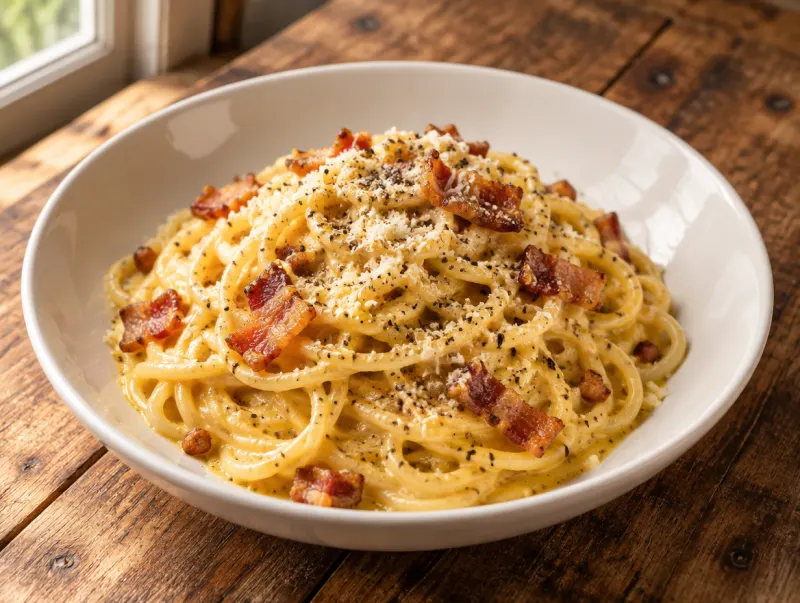
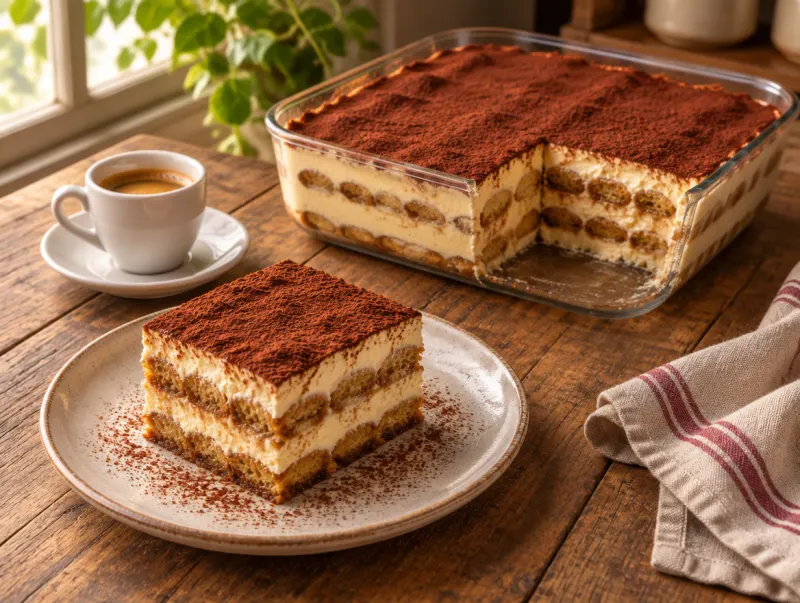
For an Italian dinner around it, start with something small and finish with something sweet. A classic tiramisu made a day ahead is the easiest dessert to pair, since it needs no oven while the pizza is baking. On another night, the same pantry of good cheese, eggs and olive oil gives you a Roman spaghetti carbonara.
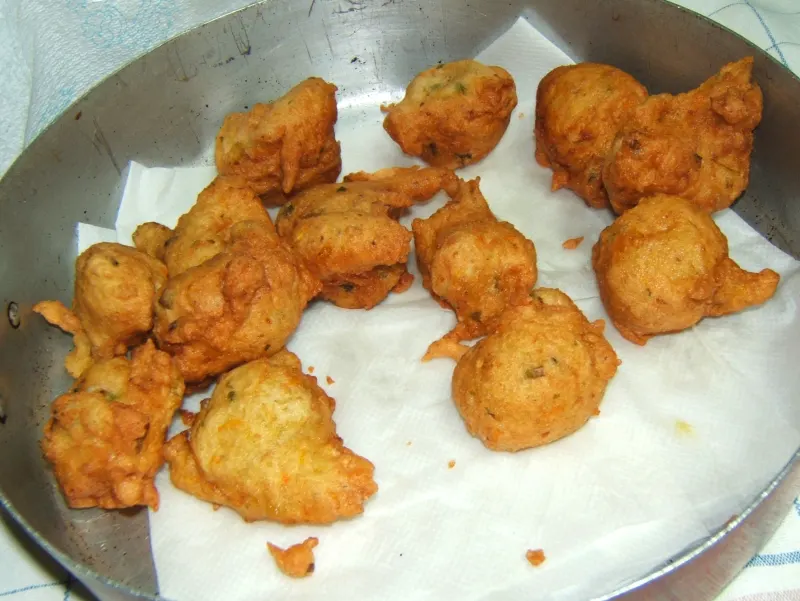
From southern Italy's street food, pettole, soft fried dough balls from Puglia, use a similar wet yeasted dough and make a fun snack while the pizza oven heats up. And a spoon of bright gremolata is a good way to use the leftover parsley, lemon and garlic from an Italian menu.
FAQ
What is margherita pizza made of?
Margherita pizza is made of a yeasted dough topped with crushed tomatoes, fresh mozzarella, fresh basil and extra virgin olive oil. Some pizzerias add a little grated hard cheese. Nothing else is needed.
What is the difference between margherita and cheese pizza?
A margherita uses raw crushed tomato, fresh mozzarella in pools, basil and olive oil. A typical American cheese pizza uses a cooked, seasoned sauce and an even layer of low-moisture mozzarella, usually without basil.
Is margherita pizza vegetarian?
Yes. Dough, tomato, mozzarella, basil and olive oil contain no meat. Strict vegetarians who avoid animal rennet should check the mozzarella label, since some cheeses are made with it.
What is margherita pizza named after?
It is usually said to be named after Queen Margherita of Savoy, who reportedly enjoyed it in Naples in 1889. Historians note that similar pizzas existed earlier, so the story is a popular tradition rather than settled fact.
What cheese is used on margherita pizza?
Fresh mozzarella: either fior di latte, made from cow's milk, or mozzarella di bufala, made from water buffalo milk. Both melt soft and creamy. Drain them well before using.
 Italy