

AI Meal Planner: How to Get a Week of Dinners You'll Cook
What an AI meal planner does
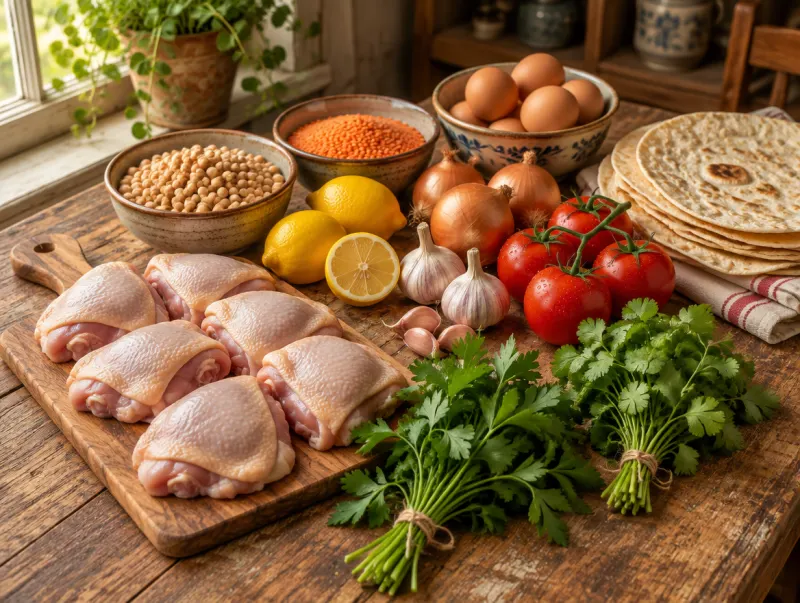
You tell it who you are cooking for, what you like, what you avoid and how much time you have on each night. It answers with a week of meals, often breakfast, lunch and dinner, and a grocery list grouped by aisle. Many free chat assistants can do this from a single prompt, and dedicated apps add features such as saved preferences, pantry tracking or a link to a grocery service.
The useful part is the planning, not the cooking. Deciding what to eat on Tuesday, remembering that the coriander from Monday needs using by Thursday, and adding up how many onions the week needs are dull jobs that a model does quickly and well. Swapping a meal you do not fancy takes one sentence.
The weak part is the same one covered in are ChatGPT recipes reliable?: if the planner also writes each recipe from scratch, nobody has cooked those recipes before you. Seven untested dinners in one week is a lot of risk for a busy household.
Where AI meal plans usually go wrong
Plans tend to fail in the same few places. Knowing them makes a plan much easier to fix.
| Problem | What it looks like | Quick fix |
|---|---|---|
| Too ambitious | A new two-hour dish every night | Ask for two "anchor" meals and quick nights in between |
| No leftovers | Every dinner starts from zero | Ask it to cook once and reuse the same base twice |
| Unrealistic portions | Amounts that feed two when you are four, or the reverse | Give the number of people and appetites up front |
| Shopping list gaps | An ingredient in a recipe is missing from the list | Read every recipe against the list before you shop |
| Ingredient waste | Half a bunch of herbs used once, then forgotten | Ask it to use each fresh item at least twice |
| Vague recipes | "Cook until done", no temperatures | Swap in tested recipes for the meals that matter |
| Nutrition numbers | Calories that look precise | Treat them as rough estimates, not measured values |
Most of these are prompt problems, not tool problems. A planner that knows your week, your household and your kitchen gives a far better plan than one that only knows "healthy dinners".
A better way to plan: tested recipes, AI structure
The approach that works best is to split the job. Let the AI do the scheduling and the shopping list, and make the recipes come from somewhere they have been cooked.
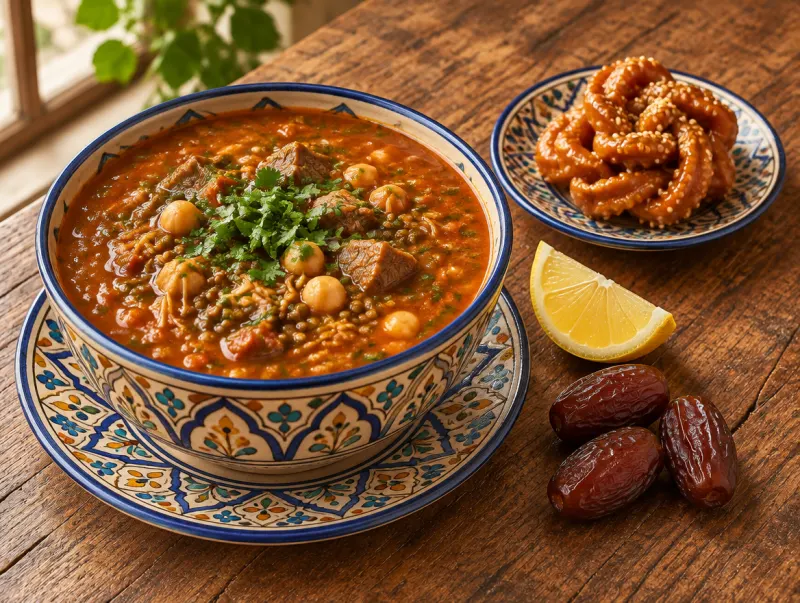
- Pick two or three anchor dishes you trust. A big pot or a batch that lasts. A pot of Moroccan harira covers two dinners and keeps for days in the fridge.
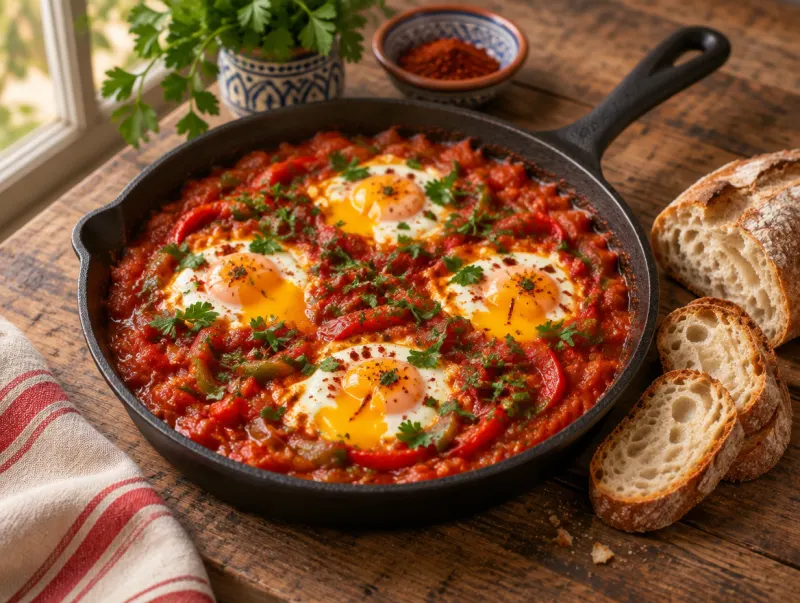
- Add quick nights. Fifteen to forty-minute meals for the busiest evenings, such as shakshuka or a fast pasta.
- Plan a leftover night on purpose. Marinate once, eat twice. Roast a tray of chicken for wraps on Wednesday and slice the rest over rice on Thursday.
- Ask the AI to build the schedule and list. Paste or name the dishes you chose, the nights you are home and how many people eat, and ask for a day-by-day plan with one combined shopping list.
- Check the list against the recipes. It takes five minutes and catches the missing garlic before you are halfway through cooking.
If you are starting from what is already in the fridge, the free What can I cook? finder lists the recipes on this site you can make with your ingredients, and what you are missing. It is not AI, it simply matches ingredients to written recipes. You can then hand those dishes to a planner to arrange. To do the same sorting by hand, follow the five steps in what can I make with these ingredients?.
A sample week built this way
Here is what a week looks like when the dishes come from tested recipes and the plan is built for leftovers and shared ingredients. It is a starting point to adjust, not a diet plan.
| Night | Dinner | Why it is there |
|---|---|---|
| Monday | Harira | Big pot; makes enough for a second night |
| Tuesday | Shakshuka with bread | Quick, uses pantry tomatoes and eggs |
| Wednesday | Chicken shawarma wraps | Marinate the night before; roast a full tray |
| Thursday | Leftover shawarma chicken over rice with pickles | No cooking beyond rice |
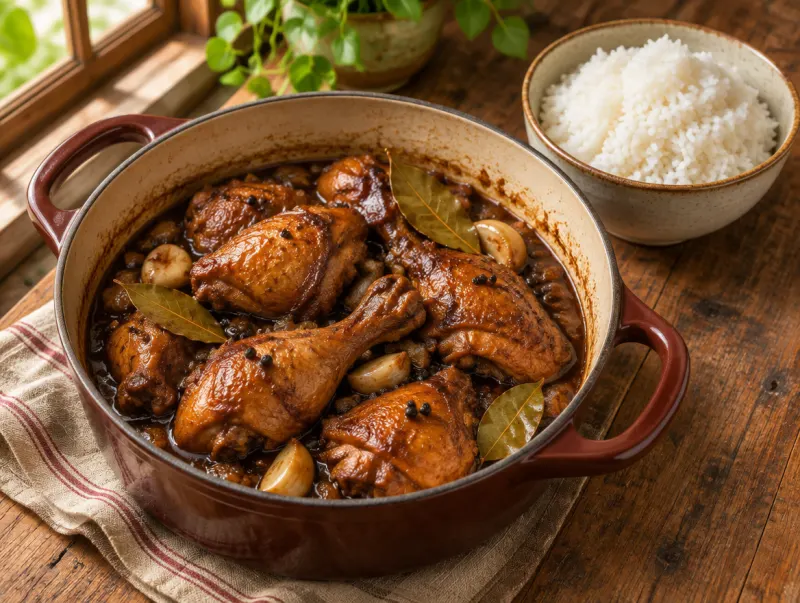
| Friday | Chicken adobo | Simple braise; keeps well for lunches |
| Saturday | Leftover harira from the freezer or fridge | A night off |
| Sunday | Cook-together night: falafel with hummus | Prep the chickpeas earlier in the week |
Garlic, lemons, onions and chickpeas carry across several of those meals, so the shopping list stays short. The chicken shawarma marinade does double duty, which is where most of the time saving comes from.
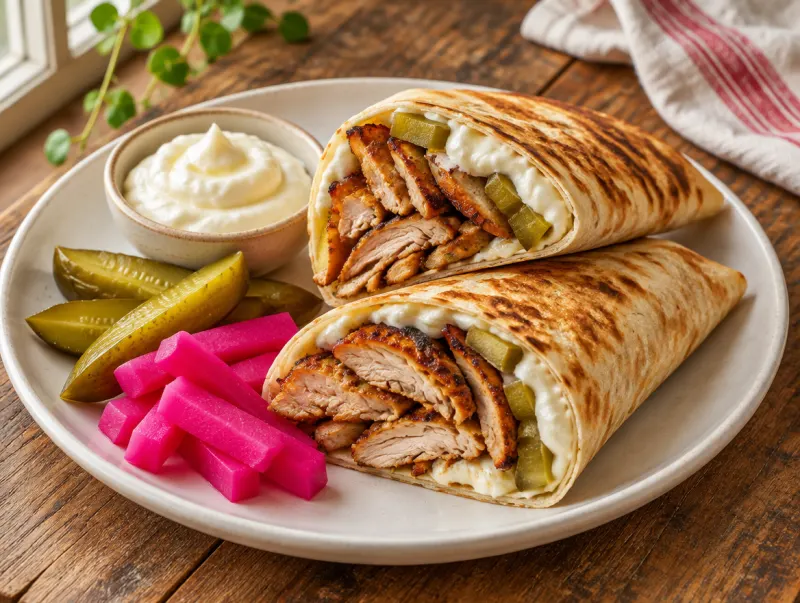
The roasted, charred chicken from that recipe keeps for 3 days in the fridge, which is exactly what a planned leftover night needs. Crisp it in a hot pan before serving and it tastes freshly made.
How to prompt an AI meal planner
A good prompt gives the planner the facts it cannot guess. Something like this works well in any chat assistant:
Plan 7 dinners for 3 adults. We are home to cook on Monday, Wednesday and Sunday; the other nights need 30 minutes or less. Use these dishes: harira, chicken shawarma, chicken adobo, shakshuka. Plan leftovers on purpose. Use every fresh herb at least twice. Give one shopping list grouped by aisle, with quantities, and mark what I probably already have.
A few extra lines change the result a lot:
- Say what you will not eat, and list allergies plainly. Then check every label yourself; never rely on the plan to catch an allergen.
- Name your equipment. No oven, one pan, a slow cooker. Plans assume a full kitchen unless you say otherwise.
- Give a budget or a shop you use, if price matters. The planner cannot see real prices, so treat any cost figures as guesses.
- Ask for the plan as a table. It is easier to read, edit and stick on the fridge.
For ready-made versions to copy, including a grocery list prompt and a budget week, see our ChatGPT meal plan prompt templates.
For more on writing recipes from whatever you have rather than planning a week, see our guide to the AI recipe generator from ingredients.
Is a free AI meal planner enough?
For most home cooks, a free chat assistant plus a handful of trusted recipes covers it. You get the schedule and the shopping list, and you can revise both in conversation. Paid apps mostly add convenience: remembering your preferences between sessions, tracking your pantry, or sending the list to a grocery service. Whether that is worth a subscription depends on how often you plan.
Where a planner should not be the final word is health. If you are planning meals for a medical condition, a specific weight goal, pregnancy or a child with allergies, talk to a doctor or a registered dietitian. An AI plan can help organise their advice, but it is not a substitute for it.
FAQ
What is an AI meal planner?
It is a tool, often a chat assistant or an app, that builds a weekly menu and a shopping list from your preferences, diet, household size and schedule. Many can also swap meals, reuse ingredients across the week and adjust portions when you ask.
Is there a free AI meal planner?
Yes. General chat assistants can plan a week of meals and a grocery list for free from one detailed prompt. Dedicated apps usually offer a free tier with paid features such as saved preferences, pantry tracking or grocery delivery links.
Can an AI meal planner make a shopping list?
Yes, and it is one of the things it does best. Ask for one combined list grouped by aisle with quantities. Then check it against each recipe before you shop, because items used in a step are sometimes left off the list.
Are AI meal plans healthy?
They can be balanced, but the nutrition figures are estimates and the plan does not know your health history. For medical diets or specific goals, use a plan from a doctor or registered dietitian and use AI only to organise it.
How do I stop an AI meal plan from wasting food?
Ask it to use every fresh ingredient at least twice, to plan one or two leftover nights, and to build the week around a couple of batch dishes. Tell it what is already in your fridge so the list does not repeat it.
 Lebanon
 Morocco
 Philippines
 Tunisia