

Christmas Food Around the World: 14 Festive Meals by Country
Most round-ups of Christmas food are a slideshow of photos. This one is sorted the way you would plan a meal: by when the feast actually happens, because that decides everything else, from whether meat is allowed to how many hours you spend in the kitchen. Where we have a tested recipe, it is linked so you can cook it at home.
Christmas Eve feasts: the night that matters most
In much of Catholic and Orthodox Europe and Latin America, the big meal is on the evening of 24 December. Traditionally the day before Christmas was a fast day, which is why so many Christmas Eve meals are built around fish, vegetables and dough rather than meat.
Poland: Wigilia. The Christmas Eve supper starts when the first star appears. It is traditionally meat-free and often has twelve dishes: clear red beetroot soup (barszcz) with tiny mushroom dumplings, pierogi filled with cabbage and mushrooms, herring, fried or jellied carp, and poppy seed desserts. Families break a thin wafer and share wishes before eating.
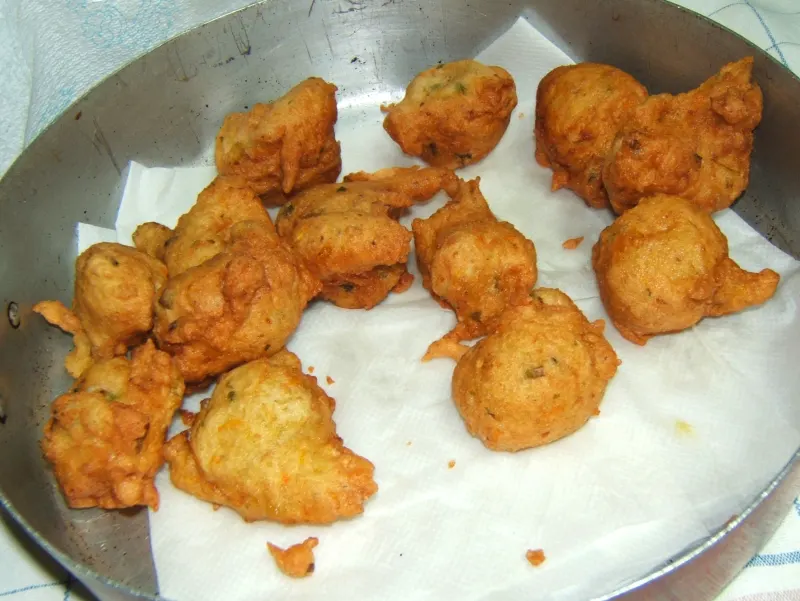
Italy: fish and fried dough. Italian Christmas Eve is a meatless meal of fish and seafood, which Italian-American families turned into the Feast of the Seven Fishes. In Puglia and Calabria the evening also smells of hot oil: soft fried dough balls called pettole are made in big batches, some plain or savoury, some rolled in sugar or honey.
Mexico: Nochebuena. The Christmas Eve dinner often runs past midnight. Depending on the family it may include bacalao a la vizcaína (salt cod stewed with tomatoes, olives and peppers), romeritos in mole, a roast turkey or pork leg, a Christmas Eve salad of beetroot and fruit, and stacks of tamales. Hot fruit punch (ponche) keeps everyone warm.
Portugal: consoada. Boiled salt cod with potatoes, cabbage, eggs and plenty of olive oil and garlic is the classic Christmas Eve dinner. It is simple on purpose, and the leftovers are often fried up the next day.
Scandinavia: julebord and smörgåsbord. In Norway and Sweden, Christmas Eve brings pickled herring, cured salmon, Christmas ham, meatballs and pork ribs, with mulled wine (gløgg or glögg) on the side.
Germany: a simple Eve, a big Day. Many German families keep 24 December modest, with sausages and potato salad, and save the roast goose or duck with red cabbage and potato dumplings for Christmas Day.
Christmas Day dinners: the roast tradition
In Britain, Ireland, the United States, Canada and much of the English-speaking world, the main meal is lunch or dinner on 25 December.
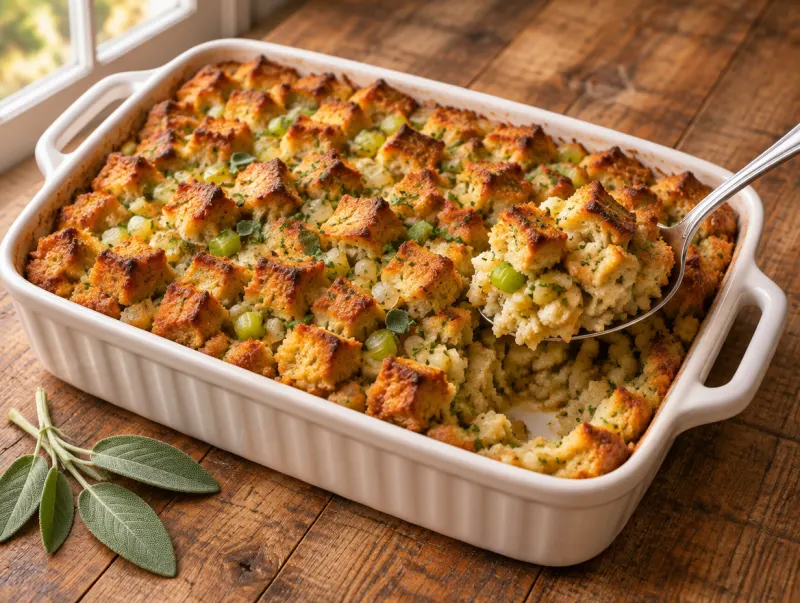
United Kingdom and Ireland. Roast turkey with stuffing, roast potatoes, Brussels sprouts, carrots and parsnips, small sausages wrapped in bacon, gravy and bread sauce or cranberry sauce, followed by a flaming Christmas pudding.
United States and Canada. Christmas dinner often echoes Thanksgiving: turkey or a glazed ham, or a standing rib roast, with stuffing, mashed potatoes, cranberry sauce and a green vegetable. If you cooked all of that a month ago, a roast with different sides is a common way to make Christmas feel its own.
France: le réveillon. The long French Christmas Eve meal (which runs into Christmas Day) leans on luxury: oysters, smoked salmon, foie gras, a roast capon or turkey with chestnuts, cheese and a bûche de Noël.
Warm-weather Christmas: the Southern Hemisphere
When Christmas falls in summer, the menu shifts outdoors.
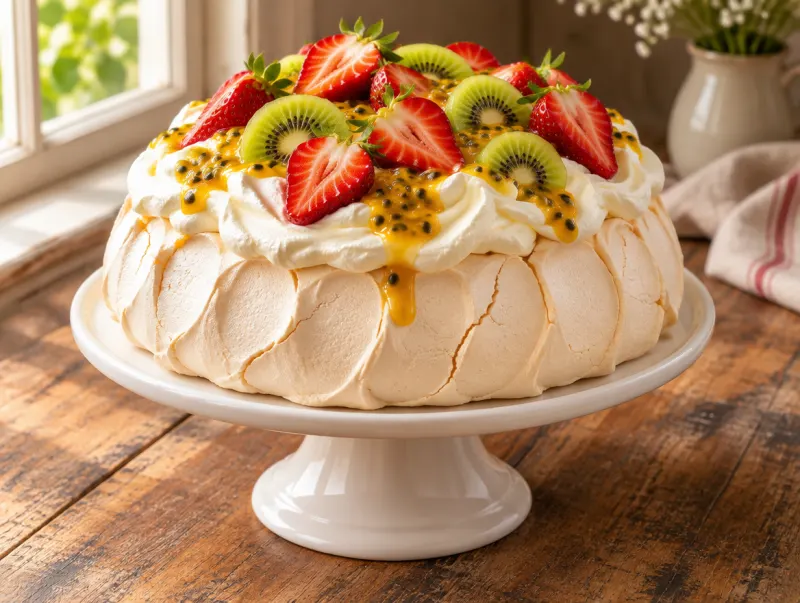
Australia and New Zealand. Cold prawns and seafood, glazed ham and salads are typical, often eaten outside or at the beach, with a crisp, cream-topped pavlova and fresh berries for dessert.
Brazil. The ceia de Natal on Christmas Eve usually features roast turkey or pork, rice cooked with raisins, farofa (toasted cassava flour) and, in many homes, bacalhau inherited from Portugal.
Peru. At midnight on Christmas Eve families eat roast turkey, then sweet panetón with thick hot chocolate, even in the summer heat.
Beyond Europe: Africa and Asia
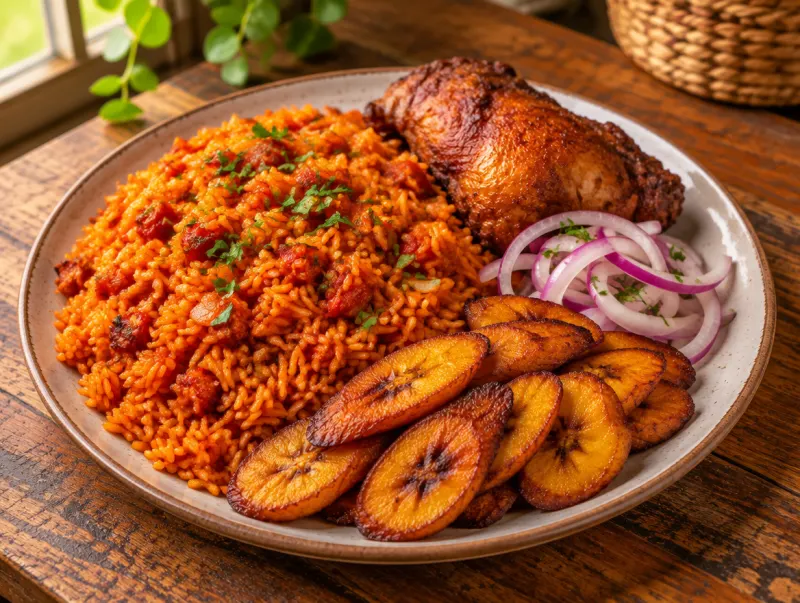
Nigeria and Ghana. Christmas is a time for big pots: smoky party jollof rice, fried rice, fried or stewed chicken and goat, and plenty of guests. Jollof is the dish nobody leaves off the table.
Philippines: Noche Buena. After late-night mass on Christmas Eve, families sit down to a midnight feast that can include a glazed ham, a ball of Edam-style cheese (queso de bola), spaghetti, roast pork and rice cakes such as bibingka and puto bumbong.
Japan. Christmas is not a religious holiday for most people, and it has become an evening for buckets of fried chicken ordered weeks ahead, followed by a strawberry and cream sponge cake.
Ethiopia and Eritrea: Genna. The Orthodox Christmas falls on 7 January, after a long period of fasting. The meal often centres on doro wat, a slow-cooked chicken stew with hard-boiled eggs and a deep berbere spice, eaten with injera.
Christmas meals at a glance
| Country | Main feast | Key dishes |
|---|---|---|
| Poland | Christmas Eve | Barszcz, pierogi, carp, herring |
| Italy | Christmas Eve | Fish and seafood, pettole |
| Mexico | Christmas Eve | Tamales, bacalao, romeritos, ponche |
| Portugal | Christmas Eve | Boiled salt cod with potatoes and greens |
| Norway and Sweden | Christmas Eve | Herring, ham, ribs, gløgg |
| Germany | Christmas Day | Roast goose or duck, red cabbage, dumplings |
| UK and Ireland | Christmas Day | Roast turkey, stuffing, Christmas pudding |
| United States | Christmas Day | Turkey or ham, stuffing, mashed potatoes |
| France | Christmas Eve into Day | Oysters, foie gras, roast bird, bûche de Noël |
| Australia | Christmas Day | Prawns, ham, salads, pavlova |
| Brazil | Christmas Eve | Turkey, rice with raisins, farofa |
| Nigeria | Christmas Day | Jollof rice, chicken, goat |
| Philippines | Christmas Eve, midnight | Ham, queso de bola, bibingka |
| Ethiopia | 7 January | Doro wat with injera |
How to cook a world Christmas at home
You do not need to cook fourteen countries at once. Two ideas work well in a home kitchen.
Pick one country and do it properly. A Christmas Eve pot of jollof with fried chicken, or a Polish-style meat-free supper, is more memorable than a table of half-attempted dishes. Read the recipe through, note which parts can be made the day before, and keep the day itself for the last-minute frying or roasting.
Mix one familiar main with one new side. Keep your usual roast, and add one dish from somewhere else: a bowl of pettole with drinks before the meal, jollof in place of the roast potatoes, or a pavlova instead of the pudding. It is the easiest way to start a new family tradition without anyone missing the old one.
If your fridge already has half the ingredients, our free what can I cook finder will match them to recipes on the site.
FAQ
What is the most popular Christmas food in the world?
There is no single answer, but roast meat, especially turkey, ham, goose or pork, is the centre of the Christmas meal in more countries than any other dish. In many Catholic countries the main Christmas Eve meal is fish instead.
Why do so many countries eat fish on Christmas Eve?
Christmas Eve was traditionally a day of fasting from meat in Catholic and Orthodox churches. Fish, vegetables and dough dishes were allowed, so meals such as the Polish Wigilia, the Italian fish supper and Portuguese salt cod grew around that rule.
What do people eat for Christmas in Africa?
It varies widely. In Nigeria and Ghana, jollof rice with chicken or goat is the classic Christmas table. In Ethiopia and Eritrea, Orthodox Christians break their fast on 7 January with doro wat and injera.
Which countries celebrate Christmas dinner on 7 January?
Orthodox churches that follow the Julian calendar celebrate Christmas on 7 January, including those in Ethiopia, Eritrea, Russia, Serbia and Egypt's Coptic Church. Their Christmas meal usually follows a period of fasting.
 United States
 Nigeria
 Italy
 Australia