
What to Serve with Bibimbap: Soups, Banchan and Drinks
Bibimbap is already a balanced meal
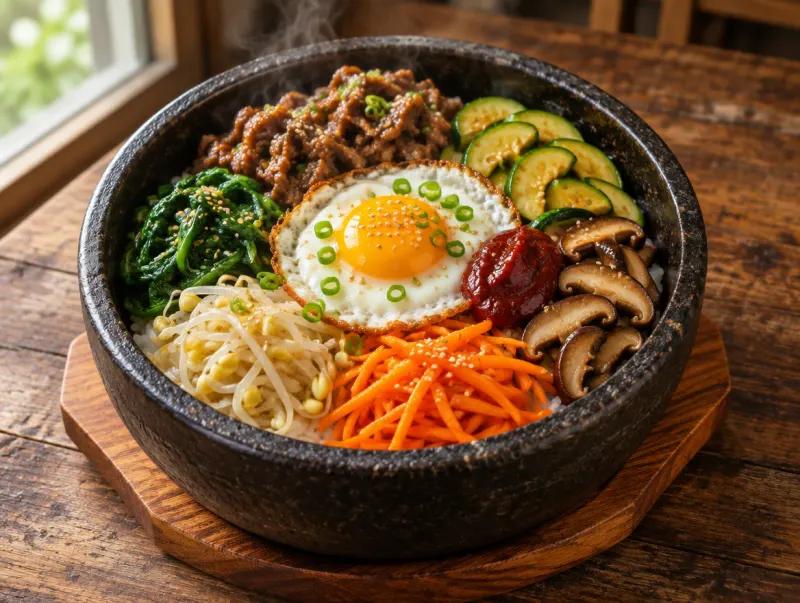
The name means "mixed rice", and that is exactly what it is: warm rice topped with seasoned vegetables, a little meat, a fried egg and spicy-sweet gochujang sauce, all stirred together at the table. One bowl gives you starch, protein and several vegetables at once, which is why Koreans eat it as a complete lunch or dinner rather than as one part of a bigger spread.
That shapes the answer to "what to eat with bibimbap". You do not need a main course or a heavy side. What the bowl does want is a few small things around it: something warm and brothy to sip between mouthfuls, something sharp or crunchy to cut through the rich egg and sesame oil, and a dish of extra sauce so each person can make it as hot as they like.
If you are cooking it at home, start with our bibimbap recipe. The vegetable toppings can all be prepared an hour ahead, which leaves time for one or two of the sides below.
A small bowl of soup
In Korea a meal of rice is rarely served without soup, and bibimbap is no exception. The soup should be light and clear, because the bowl itself is already rich and spicy.
- Soybean sprout soup (kongnamul guk). The classic partner, especially for the Jeonju style of bibimbap. It is a clean, savoury broth with crunchy soybean sprouts, garlic and spring onion. If you blanch soybean sprouts for your bibimbap topping, you can season the cooking water and serve it as a quick version.
- Soybean paste soup (doenjang guk). A mild, earthy soup made with doenjang, tofu and vegetables. It is everyday home cooking and balances the sweet heat of gochujang well.
- Seaweed soup (miyeok guk). A gentle broth of seaweed and garlic, often made with a little beef or anchovy stock.
- Simple egg drop soup. If you have no Korean pantry, a light stock with a beaten egg swirled in does the same job.
Keep each serving small, about a rice bowl's worth per person. It is a sip on the side, not a second meal.
Banchan: the small side dishes
Banchan are the little shared plates that come with almost every Korean meal. Bibimbap is itself built from banchan, since the toppings are seasoned vegetable dishes, so two or three on the side are plenty. Choose ones that contrast with the bowl rather than repeat it.
| Side dish | Korean name | Why it works with bibimbap |
|---|---|---|
| Napa cabbage kimchi | baechu kimchi | Sour, spicy crunch that cuts through the egg and sesame oil |
| Pickled yellow radish | danmuji | Sweet, crisp and cooling next to the gochujang heat |
| Seasoned soybean sprouts | kongnamul muchim | Fresh crunch; also a common topping for the bowl itself |
| Soy-marinated eggs | mayak gyeran | Soft-boiled eggs in sweet soy, good if you skip the fried egg |
| Braised potatoes | gamja jorim | Sweet-savoury and mild, popular with children |
| Rolled omelette | gyeran mari | Soft and plain, a break from the spice |
| Seasoned seaweed snacks | gim | Salty, crisp sheets to wrap a spoonful of mixed rice |
| Cucumber salad | oi muchim | Cold and sharp, best in warm weather |
Kimchi is the one to have if you only make or buy one. A crisp pickle such as danmuji or quick pickled cucumber is the next best, because the bowl is soft and warm and wants something cold and crunchy beside it.
Extra sauce on the side
The gochujang sauce is what pulls bibimbap together, and people like very different amounts of it. Put a small dish of extra sauce on the table so everyone can add more after mixing. The sauce in our bibimbap recipe is gochujang loosened with rice vinegar and toasted sesame seeds; make a double batch and keep half in a small bowl on the table.
For anyone who finds gochujang too hot, a dish of soy sauce mixed with sesame oil and toasted sesame seeds is a milder way to season the rice. Some families also serve a spoonful of seasoned soybean paste (ssamjang) for a deeper, less sweet flavour.
Bigger shared dishes for a dinner
If bibimbap is the centre of a dinner for friends, one shared plate makes the table feel generous. Pick something you can cook while the rice is warm, and keep it to one dish.
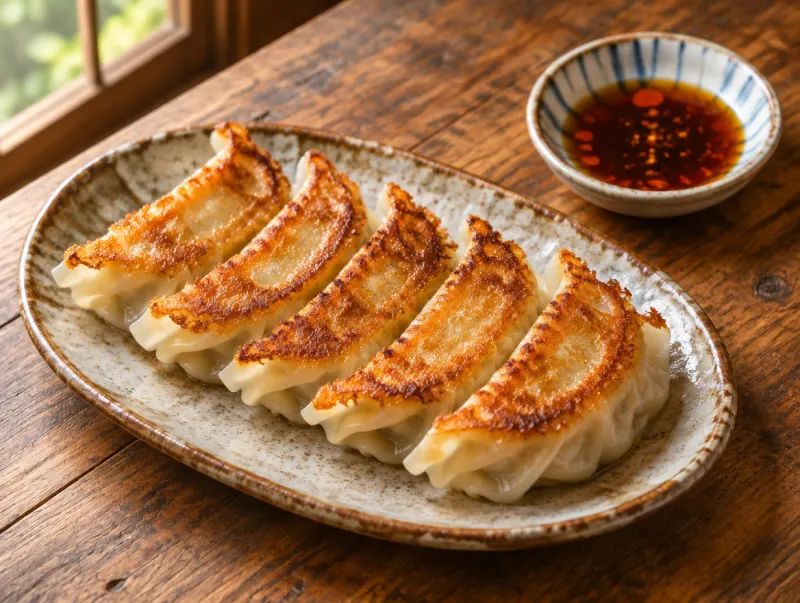
- Dumplings (mandu). Pan-fried Korean dumplings are a favourite starter. Our gyoza recipe uses the same pleat-and-pan-fry method, and a pork and cabbage filling with a little garlic and sesame oil gives a very similar result.
- Scallion pancake (pajeon). A crisp, savoury pancake of spring onions in a thin batter, cut into squares and dipped in soy and vinegar.
- Glass noodles (japchae). Sweet potato noodles stir-fried with vegetables and sesame oil. It is rich, so serve a small portion.
- Grilled meat. A little bulgogi or grilled pork on the side turns a vegetable bibimbap into a bigger meal.
If you want to plan a whole week of bowls and noodles, our guide to Asian dinner recipes has more ideas.
What to drink with bibimbap
- Roasted barley tea (boricha). The everyday drink at Korean tables, served hot or cold. Its nutty, toasty flavour suits a spicy meal and it has no caffeine.
- Corn tea (oksusu cha). Similar to barley tea, slightly sweeter.
- Sweet rice drink (sikhye). A cold, lightly sweet drink of rice and malt, often served after the meal.
- For adults: a light lager, or Korean makgeolli, a mildly sparkling rice wine that goes well with pancakes and spicy food.
Plain cold water is fine too. Avoid very sweet fizzy drinks, which fight the sweetness already in the gochujang.
Easy menus to copy
| Occasion | Menu |
|---|---|
| Weeknight for two | Bibimbap, kimchi, barley tea |
| Classic Korean table | Bibimbap, soybean sprout soup, kimchi, pickled radish, seasoned seaweed |
| Dinner for friends | Bibimbap, pan-fried dumplings, cucumber salad, doenjang soup, makgeolli or lager |
| Vegetarian | Tofu bibimbap without beef, seaweed soup made with vegetable stock, kimchi without fish sauce, braised potatoes |
If you like the one-bowl, sauce-over-rice idea of bibimbap, two other dinners on Srbiny work the same way: Japanese chicken katsu curry and Filipino chicken adobo, both served over plain rice. And for a fresh green finish on grilled meat or fish another night, try Italian gremolata.
FAQ
What do Koreans eat with bibimbap?
Most often a small bowl of light soup, such as soybean sprout soup or doenjang soup, plus kimchi and one or two other banchan. Extra gochujang sauce is usually on the table. Bibimbap is treated as a full meal, so big side dishes are not needed.
What sauce do you eat with bibimbap?
Gochujang sauce, a spicy-sweet red chilli paste usually loosened with sesame oil, a little sugar, vinegar and water. For a milder bowl, use soy sauce mixed with sesame oil and sesame seeds, or a spoon of ssamjang.
What meat goes with bibimbap?
Thinly sliced or minced beef seasoned with soy, garlic and sesame oil is the classic topping. Bulgogi, spicy pork or chicken all work too, and tofu is a good meat-free option.
Can bibimbap be a side dish?
It is almost always a main. Because it already has rice, vegetables, meat and egg, it is filling on its own. A smaller bowl can sit on a larger Korean spread, but at home it is usually the centre of the meal.
What soup goes with bibimbap?
Soybean sprout soup (kongnamul guk) is the classic choice. Doenjang soup, seaweed soup or a simple egg drop soup are good alternatives. Keep it light and clear so it balances the rich, spicy bowl.
 South Korea
 Japan